Use our free macro calculator to calculate your daily intake of carbohydrates, protein, and fats based on your body and fitness goals. Build a balanced diet plan that supports weight management and overall health.
What Is a Macro Calculator?
The Macro Calculator is an online tool created to help determine your daily intake of carbohydrates, protein, and fat, based on your basic information, including age, gender, height, weight, and activity level.
The goal of using a Macro Calculator is not to restrict your intake or promote a strict eating plan. Rather, it gives you a nutritional framework to better understand how your food choices impact overall health and well-being. Macros are measured in grams rather than percentages of your meals or complex diet plans.
As such, the results you receive from the Macro Calculator are easier to understand and implement in everyday life. It is designed to help you look at food as fuel for your body, not as a number that you should be afraid of using.
Why a Macro Calculator Exists?
Many people struggle with food confusion. Some eat too little protein and feel weak. Others avoid fats completely, which affects energy and hormone balance. Many people also overeat carbs without understanding portion balance.
A Macro Calculator exists to remove this confusion. It shows how different foods contribute to daily nutrition needs in a simple and practical way. Without this clarity, people often follow extreme diets, copy social media trends, or cut out entire food groups.
These habits can be stressful and difficult to maintain. The calculator helps replace confusion with structure and understanding.
What are Macronutrients (Macros)?
There are three main types of macronutrients (macros): proteins, fats, and carbohydrates. They are essential nutrients the body needs in large quantities to remain healthy.
Macronutrients provide the body with energy, help prevent disease, and allow the body to function correctly. Macronutrients are available in many food sources, but it can be difficult to determine the right amount to consume.
There are also a number of factors that can influence the quantity of macronutrients people may need.
When it comes to nutrients, there are two main categories to consider: macronutrients and micronutrients. Macronutrients are nutrients that people regularly require in large quantities to provide their bodies with energy to perform bodily functions and daily activities.
Most often, macronutrients simply refer to proteins, carbohydrates, and fats, but some people may also include other nutrients that people require in large amounts, such as water.
Most of the body’s energy and calories come from macronutrients. Each type of macronutrient has its own benefits and purpose in maintaining a healthy body. The exact amount of each macronutrient a person requires may vary based on individual factors such as weight, age, and preexisting health conditions.
Importance of macronutrients
Each type of macronutrient performs an important role in keeping the body healthy. For optimum health, people typically require a balance of macronutrients.
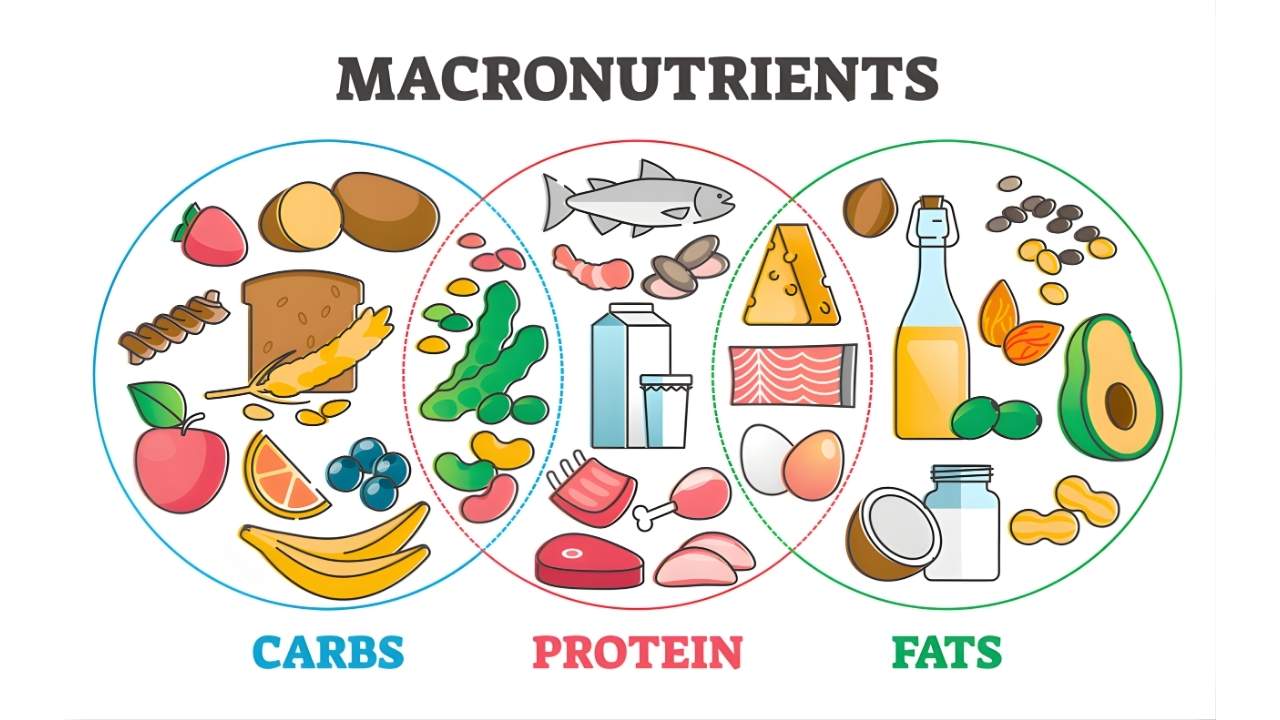
How Much Protein Do You Need?
Protein is essential to many of your body’s functions, including:
- Tissue structure
- Hormone system
- Metabolic system
- Transport system
- Enzymes that regulate metabolism
- Balancing the acid/base environment
The amount of protein you need depends on your weight and how much exercise you get. The official recommendation from the Dietary Reference Intake Report is 0.36 grams of protein per pound of body weight. An average sedentary man should eat around 56 grams of protein daily. An average sedentary woman should eat around 46 grams daily.
The more exercise you get, the more protein you can safely eat. You should aim to get between 10% and 35% of your daily calories from protein. Your body can’t store protein. Once you reach the amount you need, your body will convert the rest to energy or fat. You should get your daily requirement and then focus on carbohydrates and fat for the rest of your calories.
When it comes to protein, where it comes from matters. While processed meat may have a lot of protein, it also has saturated fats and other ingredients that are bad for you. Increase the amount of plant proteins in your diet. Plant sources provide not only protein but also fiber and micronutrients. The best plant sources of protein include:
- Beans
- Lentils
- Nuts
- Seeds
- Whole grains
If you do eat protein from animal sources, choose healthier options such as:
- Poultry
- Fish
- Seafood
- Eggs
- About 3 servings of dairy daily, including skim milk.
How Many Carbohydrates Do You Need?
Carbohydrates provide fuel for your body during high-intensity exercise. They allow your body to use carbohydrates instead of protein during exercise, which helps preserve your muscle mass. Additionally, carbohydrates provide energy for your central nervous system, which includes your brain.
Carbohydrates are the primary fuel for your body. You should get between 45% to 65% of your calories from carbohydrates. As with protein, the type of food that you get your carbohydrates from is important. Carbohydrates can be found in healthy and unhealthy foods.
The healthiest sources of carbohydrates can provide you with fiber, vitamins, minerals, and phytochemicals. Phytochemicals are compounds found in plants that can help fight diseases. These include unprocessed whole grains, beans, vegetables, and fruits.
Unhealthy sources of carbohydrates can cause spikes in your blood sugar. They can lead to weight gain, diabetes, and heart disease. These include easily digestible foods such as white bread, pastries, soda, and other highly processed foods.
Sources of carbs include:
- Whole grains: brown rice, oats, farro, and barley
- Vegetables: peas, potatoes, corn, and other starchy vegetables
- Fruits: mangoes, bananas, figs, and apples
- Beans and legumes: black beans, lentils, and chickpeas
- Dairy products: milk and yogurt
How Much Fat Do You Need?
Fat is an important part of your diet. Your body needs fat for:
- Essential fatty acids your body can’t make
- A component in cell walls
- A source of energy
- Absorbing fat-soluble vitamins, including vitamins K, E, D, and A
- Insulating your body and protecting your organs
You should try to get 20% to 35% of your total daily calories from fat. As with other macronutrients, it’s important to get your fat from healthy sources. The healthiest types of fat come from plants and are called monounsaturated and polyunsaturated. Good sources of these types of fats are:
- Olives and olive oil
- Canola oil
- Peanut oil
- Avocados
- Nuts and nut butters
- Corn oil
- Sunflower oil
- Soybean oil
Saturated fat comes from mainly animal sources and tropical oils and shouldn’t make up more than 7% to 10% of your diet because they are associated with bad cholesterol and internal inflammation. Sources of saturated fat include:
- Beef
- Pork
- Lamb
- Veal
- High-fat dairy products
- Processed meat, such as hot dogs
- Butter
- Processed baked goods such as pastries
- Coconut and palm oil
You should avoid eating any trans fat because it raises your bad cholesterol and lowers your good cholesterol. Cholesterol only comes from animal products. If your cholesterol is normal, you should eat 300 grams or less of cholesterol daily. If your cholesterol is elevated, limit your dietary intake to less than 200 grams.
How Much Macronutrient is Recommended to Consume?
Determining the right amount of macronutrients from dietary sources depends on various factors like height, weight, and metabolic rate. However, according to nutritionists, there is a moderate optimum range for macronutrient uptake in our daily diets.
For a healthy diet, the recommended ranges are:
- Carbohydrates: 45-65% of daily calories
- Fats: 20-35% of daily calories
- Proteins: 10-35% of daily calories
Apart from these, the other factors that determine a person’s macronutrient requirement can include the following:
- Fitness goals
- Current Muscle Mass
- Existing health conditions
Diets with macronutrients
When considering a diet or nutrition plan, some people may try macro diets, which focus on the balance of macronutrients. Some examples of popular macro diets include:
Keto diet
The keto diet uses a low-carb, adequate-protein, and high-fat approach that may help some people with weight loss. People on the keto diet cut their intake of carbs to less than 50 grams a day.
With this very low intake, the body starts relying heavily on fats for energy production. This induces a state of ketosis and may help with weight loss.
Paleo diet
The paleo diet mimics how people may have eaten during the Paleolithic era. It involves food that people could theoretically hunt or gather.
While the macronutrients can vary in a paleo diet, they typically include higher levels of protein and fats and lower levels of carbs.
Weight Watchers diet
The Weight Watchers plan is a diet program involving a points system that restricts the amount and types of foods people may eat.
It usually incorporates higher levels of protein, and encourages consuming less saturated fats and carbohydrates with a high sugar content.
IIFYM diet
The IIFYM diet (IIFYM standing for “if it fits your macros”) involves focusing on macronutrients rather than just calories.
Unlike other diets, which may involve food restrictions, the IIFYM diet is a flexible eating plan that focuses on tracking macronutrients to help achieve steady weight loss.
Macronutrients in Common Foods
| Food | Serving Size | Protein | Carbs | Fat |
| Fruit | ||||
| Apple | 1 (4 oz.) | 0.27g | 14.36g | 0.18g |
| Banana | 1 (6 oz.) | 1.85g | 38.85g | 0.56g |
| Grapes | 1 cup | 1.15g | 28.96g | 0.26g |
| Orange | 1 (4 oz.) | 0.79g | 11.79g | 0.23g |
| Pear | 1 (5 oz.) | 0.54g | 21.91g | 0.17g |
| Peach | 1 (6 oz.) | 1.2g | 12.59g | 0.33g |
| Pineapple | 1 cup | 0.84g | 19.58g | 0.19g |
| Strawberry | 1 cup | 1.11g | 12.75g | 0.5g |
| Watermelon | 1 cup | 0.93g | 11.48g | 0.23g |
| Vegetables | ||||
| Asparagus | 1 cup | 2.95g | 5.2g | 0.16g |
| Broccoli | 1 cup | 2.57g | 6.04g | 0.34g |
| Carrots | 1 cup | 1.19g | 12.26g | 0.31g |
| Cucumber | 4 oz. | 0.67g | 2.45g | 0.18g |
| Eggplant | 1 cup | 0.98g | 5.88g | 0.18g |
| Lettuce | 1 cup | 0.5g | 1.63g | 0.08g |
| Tomato | 1 cup | 1.58g | 7.06g | 0.36g |
| Proteins | ||||
| Beef, regular, cooked | 2 oz. | 14.2g | 0g | 10.4g |
| Chicken, cooked | 2 oz. | 16g | 0g | 1.84g |
| Tofu | 4 oz. | 7.82g | 2.72g | 3.06g |
| Egg | 1 large | 6.29g | 0.38g | 4.97g |
| Fish, Catfish, cooked | 2 oz. | 9.96g | 4.84g | 8.24g |
| Pork, cooked | 2 oz. | 15.82g | 0g | 8.26g |
| Shrimp, cooked | 2 oz. | 15.45g | 0.69g | 1.32g |
| Common Meals/Snacks | ||||
| Bread, white | 1 slice (1 oz.) | 1.91g | 12.65g | 0.82g |
| Butter | 1 tablespoon | 0.12g | 0.01g | 11.52g |
| Caesar salad | 3 cups | 16.3g | 21.12g | 45.91g |
| Cheeseburger | 1 sandwich | 14.77g | 31.75g | 15.15g |
| Hamburger | 1 sandwich | 14.61g | 26.81g | 10.97g |
| Dark Chocolate | 1 oz. | 1.57g | 16.84g | 9.19g |
| Corn | 1 cup | 4.3g | 30.49g | 1.64g |
| Pizza | 1 slice (14″) | 13.32g | 33.98g | 12.13g |
| Potato | 6 oz. | 4.47g | 36.47g | 0.22g |
| Rice | 1 cup cooked | 4.2g | 44.08g | 0.44g |
| Sandwich | 1 (6″ Subway Turkey Sandwich) | 18g | 46g | 3.5g |
| Beverages/Dairy | ||||
| Beer | 1 can | 1.64g | 12.64g | 0g |
| Coca-Cola Classic | 1 can | 0g | 39g | 0g |
| Diet Coke | 1 can | 0g | 0g | 0g |
| Milk (1%) | 1 cup | 8.22g | 12.18g | 2.37g |
| Milk (2%) | 1 cup | 8.05g | 11.42g | 4.81g |
| Milk (Whole) | 1 cup | 7.86g | 11.03g | 7.93g |
| Orange Juice | 1 cup | 1.74g | 25.79g | 0.5g |
| Apple cider | 1 cup | 0.15g | 28.97g | 0.27g |
| Yogurt (low-fat) | 1 cup | 12.86g | 17.25g | 3.8g |
| Yogurt (non-fat) | 1 cup | 13.01g | 17.43g | 0.41g |